
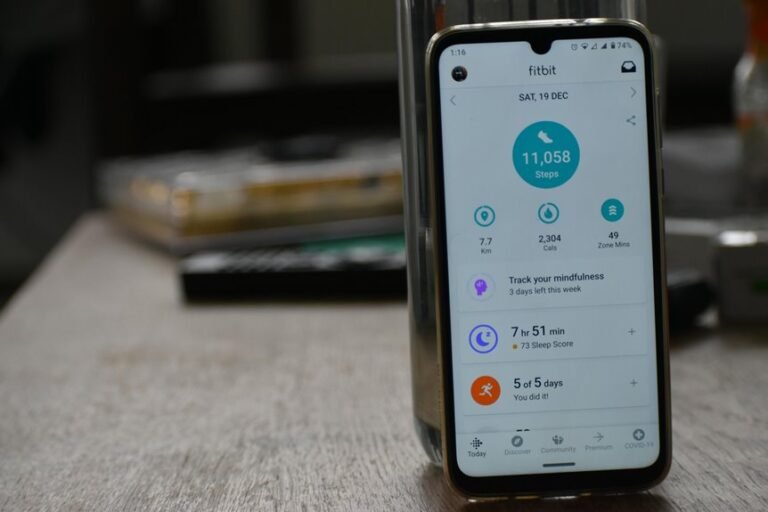
Tracking phone activity for the number 9192440200 requires careful consideration of various factors. Individuals may seek to monitor usage for safety or security reasons. However, legal and ethical implications must be addressed to ensure compliance with privacy standards. Selecting the right tools can significantly enhance oversight while maintaining trust. Exploring the best practices for discreet tracking can further clarify these complexities and ensure responsible use of monitoring technologies.
Understanding the Need for Tracking Phone Activity
Although the proliferation of smartphones has enhanced communication and accessibility, it has also raised concerns regarding the need for monitoring phone activity.
Real-time monitoring enables individuals and organizations to track usage patterns, ensuring safety and security.
However, this necessity often clashes with privacy concerns, prompting a debate about the balance between oversight and personal freedom in an increasingly connected world.
Legal and Ethical Considerations
As the demand for tracking phone activity increases, legal and ethical considerations emerge as critical factors in shaping how monitoring practices are implemented.
Privacy laws dictate the boundaries of surveillance, emphasizing the importance of consent and transparency.
Ethical implications also arise, urging individuals and organizations to balance their objectives with respect for personal freedom and autonomy, ensuring that tracking does not infringe on individual rights.
Tools and Applications for Monitoring
While the ethical dimensions of tracking phone activity are paramount, the effectiveness of monitoring largely hinges on the tools and applications employed.
Various tracking software options and monitoring applications provide users with a spectrum of functionalities, including location tracking, call monitoring, and message access.
Selecting the right tool ensures a balance between oversight and respecting individual privacy, thus fostering a sense of informed freedom.
Best Practices for Discreet Tracking
Selecting the appropriate tools for monitoring phone activity requires careful consideration of best practices for discreet tracking.
Implementing discreet surveillance techniques mitigates privacy concerns, ensuring ethical compliance. Utilizing reputable applications with robust security features enhances user confidence.
Additionally, maintaining transparency with individuals involved, when feasible, fosters trust while minimizing potential backlash.
Ultimately, a balanced approach safeguards personal freedoms while achieving tracking objectives effectively.
Conclusion
In the intricate dance of technology and ethics, tracking phone activity, such as that of 9192440200, symbolizes a delicate balance between security and privacy. By employing reputable monitoring tools, individuals can navigate this labyrinth, ensuring safety while respecting personal boundaries. Ultimately, the choice of application serves as a compass, guiding users through the murky waters of oversight, fostering trust, and illuminating the path toward responsible usage. Such vigilance, when executed thoughtfully, becomes a shield rather than a sword.