
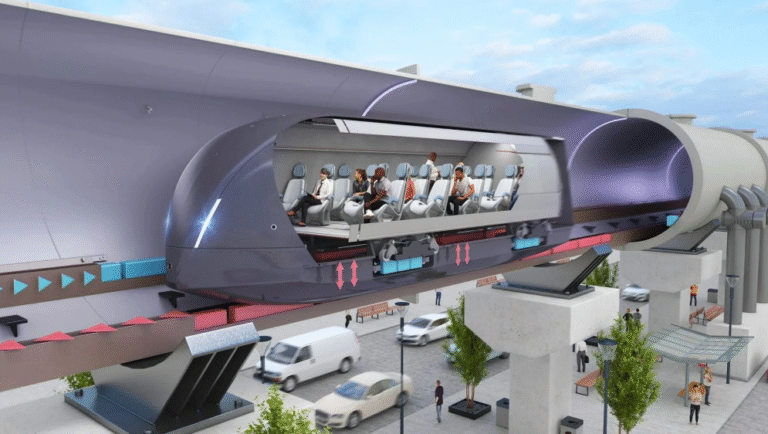
The evolution of transportation technology is set to redefine urban landscapes. Electric vehicles promise a cleaner future, while autonomous systems aim to revolutionize personal mobility. Additionally, innovations like the Hyperloop propose unprecedented speeds. However, the successful integration of these technologies hinges on overcoming significant infrastructure and policy hurdles. As cities navigate this transformative period, the implications for accessibility and sustainability remain critical considerations. What solutions will emerge to address these challenges?
Understanding Electric Vehicles: The Future of Urban Mobility
The rapid proliferation of electric vehicles (EVs) signifies a transformative shift in urban mobility, with numerous studies highlighting their potential to reduce carbon emissions and alleviate traffic congestion.
Central to this evolution are advancements in battery technology and the expansion of charging infrastructure.
These innovations empower individuals to embrace sustainable transportation, fostering a sense of freedom while paving the way for cleaner, more efficient urban environments.
See also: Horse Racing: Where Tradition Meets Technology
How Will Autonomous Technology Change Travel?
As autonomous technology continues to advance, it promises to fundamentally reshape travel by enhancing safety, efficiency, and accessibility.
Driverless cars could reduce accidents significantly, prompting new safety regulations that prioritize user well-being.
This transformation may liberate individuals from the burdens of traditional driving, fostering a new era of mobility where people can focus on productivity and leisure during their journeys.
High-Speed Transport: The Hyperloop Revolution
Emerging alongside the advancements in autonomous technology, high-speed transport systems like the Hyperloop are poised to redefine the future of intercity travel.
Utilizing vacuum tubes to minimize air resistance, the Hyperloop offers unprecedented hyperloop efficiency, potentially reducing travel times drastically.
This innovative transit solution embodies a vision of freedom, enabling swift connections between cities while promoting sustainable energy practices in transportation.
Addressing Infrastructure and Policy Challenges in Transportation
While technological advancements in transportation promise revolutionary changes, significant infrastructure and policy challenges must be addressed to realize their full potential.
The integration of smart cities requires sustainable policies that foster collaboration between governments and private sectors.
Effective regulation and investment in adaptable infrastructure are crucial for encouraging innovation, ensuring equitable access, and enhancing the overall efficiency of future transportation systems.
Conclusion
As cities stand on the brink of a transportation renaissance, akin to the dawn of the industrial age, the convergence of electric vehicles, autonomous technology, and high-speed transport promises a paradigm shift in urban mobility. Yet, like a ship navigating uncharted waters, the journey ahead requires careful charting of infrastructure and policy frameworks to ensure equitable access for all. Only through collaborative innovation can society harness these advancements, steering toward a sustainable and efficient transportation future.