
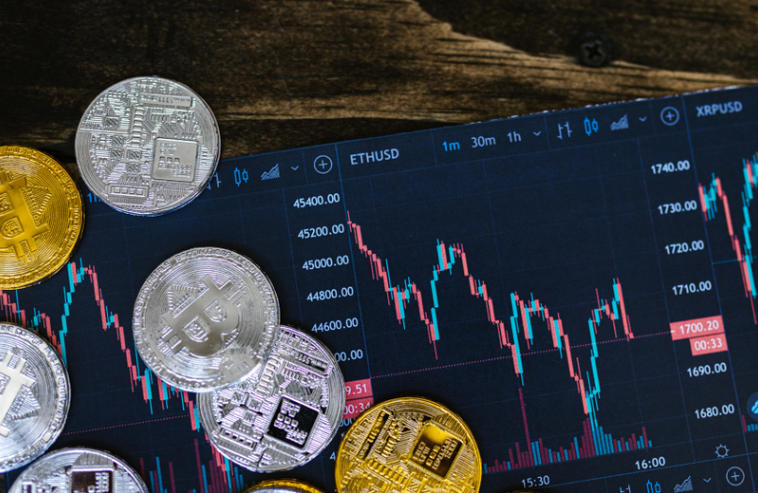
Cryptocurrency exchanges are platforms that allow users to buy, sell, and trade digital assets. They serve as the bridge between traditional financial systems and the world of cryptocurrencies. Understanding how these exchanges operate helps users navigate the market safely and efficiently.
What Is a Cryptocurrency Exchange?
A cryptocurrency exchange is an online marketplace where users can trade digital currencies such as Bitcoin, Ethereum, and many others. Exchanges can operate in different ways, offering varying services like spot trading, derivatives, and margin trading. They are essential for providing liquidity and enabling price discovery in the crypto market.
Types of Cryptocurrency Exchanges
Centralized Exchanges (CEX)
Centralized exchanges are operated by companies that control the platform. They provide user-friendly interfaces, high liquidity, and additional services like wallets and customer support. Users trust the exchange to manage their funds securely, but this requires trusting a third party.
Decentralized Exchanges (DEX)
Decentralized exchanges operate without a central authority. They allow peer-to-peer trading directly between users through smart contracts. DEXs provide more privacy and reduce reliance on intermediaries, but they may have lower liquidity and more complex interfaces.
How Exchanges Match Buyers and Sellers
Exchanges use an order book system to match buyers and sellers. Users place orders specifying the amount and price at which they want to trade. The exchange matches compatible orders and executes the trade automatically. This system ensures that trades happen efficiently and at agreed prices.
Role of Liquidity in Exchanges
Liquidity refers to how easily an asset can be bought or sold without affecting its price. Exchanges provide liquidity by connecting multiple buyers and sellers. High liquidity ensures that trades are executed quickly and reduces price volatility.
Security Measures in Cryptocurrency Exchanges
Exchanges implement multiple security measures to protect user funds:
- Two-Factor Authentication (2FA): Adds a layer of protection for accounts.
- Cold Storage: Stores most funds offline to protect against hacks.
- Encryption: Secures sensitive user data and transaction information.
- Regular Audits: Ensures transparency and compliance with regulations.
Fees Charged by Exchanges
Exchanges charge fees for facilitating trades, which can vary depending on the platform and trading type:
- Trading Fees: Percentage of each trade executed.
- Withdrawal Fees: Charged when moving funds out of the exchange.
- Deposit Fees: Less common but may apply for certain payment methods.
Understanding fees is important to manage trading costs effectively.
Regulatory Compliance
Centralized exchanges often comply with local regulations, including KYC (Know Your Customer) and AML (Anti-Money Laundering) policies. This ensures legal operation and protects against fraudulent activities. Decentralized exchanges, by contrast, operate without mandatory KYC, giving users more privacy but less regulatory oversight.
Risks Associated With Exchanges
While exchanges provide convenience, they also carry risks:
- Hacking and Theft: Centralized exchanges can be targets of cyberattacks.
- Regulatory Restrictions: Some platforms may be limited in certain countries.
- Liquidity Risks: Smaller exchanges may struggle to execute large trades.
- Technical Failures: System outages can temporarily prevent trading.
Users must choose exchanges carefully and use secure practices to mitigate risks.
How Users Interact With Exchanges
Users typically create an account, deposit funds, and start trading. Centralized exchanges may offer mobile apps, charts, and advanced trading tools. Decentralized exchanges require connecting a crypto wallet and interacting with smart contracts. Each platform provides a different level of convenience, security, and control.
Conclusion
Cryptocurrency exchanges are vital for the functioning of the crypto ecosystem. They connect buyers and sellers, provide liquidity, and enable efficient price discovery. Understanding how exchanges operate, their security measures, fees, and risks allows users to trade safely and make informed decisions in the dynamic world of digital assets.